


Etruscan Boy Thin Statue – Ancient Etruscan Art Figure 13H
Etruscan Boy Thin Statue – Ancient Etruscan Art Figure 13H
SKU:ETR01
In stock
Couldn't load pickup availability
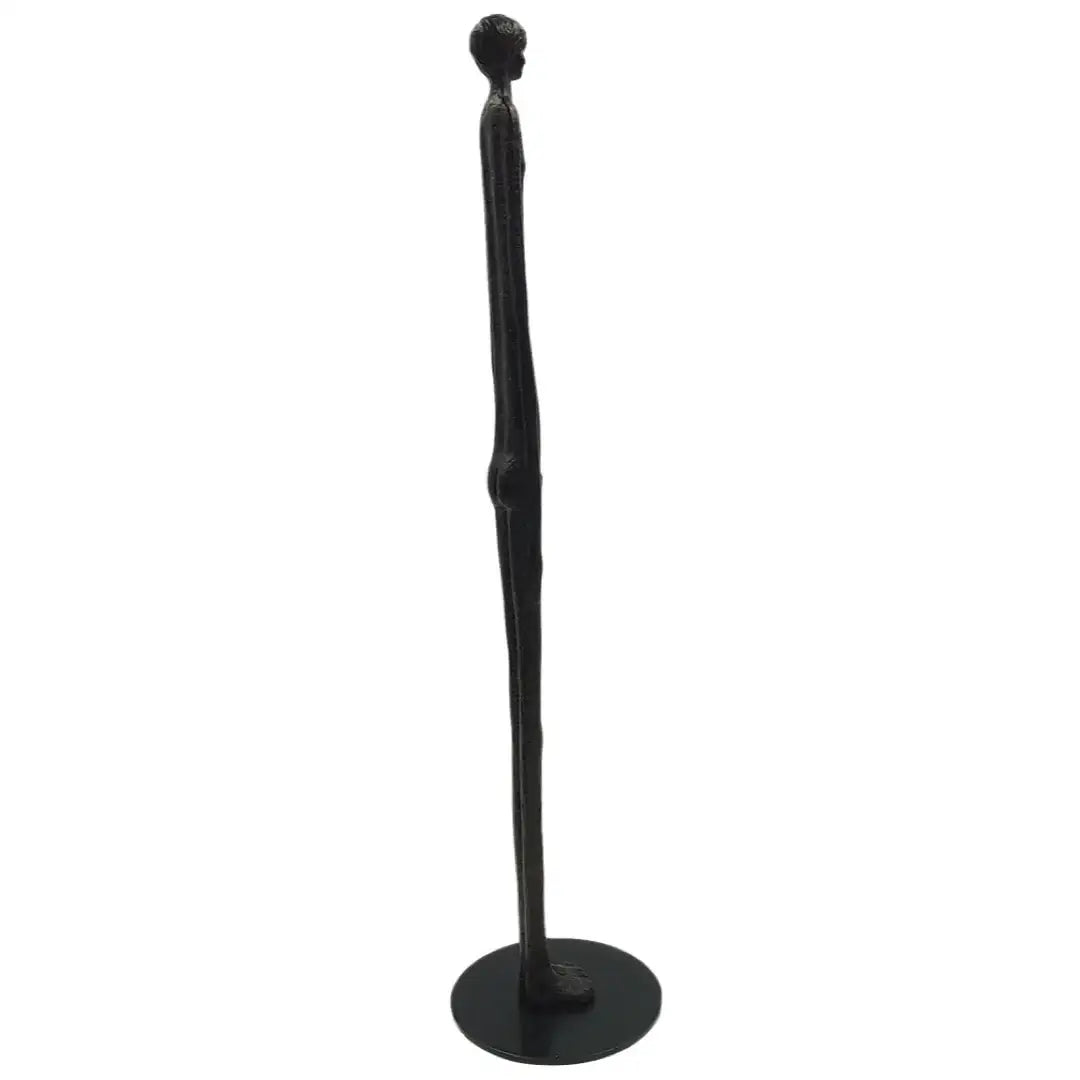
Etruscan Boy Stretched Figure – Museum Replica from Ancient Italy
The Etruscan boy statue reflects one of the most distinctive sculptural traditions of ancient Italy. Etruscan artists developed elongated human forms that emphasized gesture and presence rather than naturalistic anatomy. This Etruscan boy figurine captures the same quiet authority found in larger bronzes, translated into a slimmer, more delicate silhouette.
Stretched figures like this Etruscan boy reveal how Etruscan art approached the human body as a symbolic form. Long limbs, narrow torsos, and simplified features create a sense of rhythm and restraint. The result feels both ancient and unexpectedly modern, a quality that continues to attract collectors and scholars.
- Museum Replica: Part of the collectible Parastone Mouseion 3D Collection. PN ETR01.
- Material: Resin with hand-painted matte and glossy detailing. Base is metal.
- Dimensions: 13 in H; lightweight construction for easy display.
- Style: Inspired by elongated bronze figures from ancient Etruria, Tuscany region.
Etruscan Stretched Figures and Youthful Forms
While many surviving Etruscan bronzes depict adult males, youth figures also played an important role. This slim boy statue may have represented attendants, votive offerings, or symbolic figures associated with transition and growth. Rather than focusing on age, Etruscan sculptors emphasized posture and outline.
The elongated proportions of this Etruscan boy sculpture align with a broader Etruscan preference for abstraction. Flattened bodies and extended limbs reduce physical detail while enhancing visual clarity. This approach distinguishes Etruscan sculpture from Greek kouroi, which pursued balance and anatomical idealism.
Etruscan Culture and Artistic Legacy
The Etruscans flourished in central Italy, primarily in the region now known as Tuscany. From the eighth through the third centuries BC, they built prosperous cities supported by trade, metalwork, and maritime power. Bronze sculpture was one of their most celebrated arts.
Etruscan artisans were master metalworkers. Many stretched figures were originally cut from thin bronze sheets and carefully shaped into tall silhouettes. These objects often served religious or domestic purposes, linking daily life with ritual practice.
As Roman power expanded, Etruscan cities were gradually absorbed. Even so, Etruscan artistic traditions strongly influenced early Roman sculpture and religious imagery. The visual language of elongated forms continued to echo through Mediterranean art.
This Etruscan boy bronze finish statue preserves that legacy. Its quiet presence speaks to a culture that valued expression, symbolism, and form over realism. Displayed alongside the Etruscan Man (ETR02), the Etruscan boy art statue (ETR01) offers a fuller view of this remarkable ancient tradition.
Curator Comments
Southern Etruria was home to many important artistic centers, including Veii and Volterra. Archaeological discoveries from these regions reveal how widely spread the stretched bronze figures circulated in Etruscan society. They appear in sanctuaries, homes, and burial contexts, suggesting meanings that extend beyond decoration.
Figures like this Etruscan boy likely held symbolic significance tied to protection, transition, or offering. Their simplified bodies invite interpretation rather than explanation. This openness is one reason Etruscan sculpture continues to resonate with modern viewers.
Related Etruscan Figures
This Etruscan figure is designed to pair with its adult counterpart. Together, they reflect the Etruscan approach to proportion, symbolism, and abstraction across age and role.
- Etruscan Man with Hat Thin Statue (ETR02) – an elongated adult figure inspired by historic bronze originals from southern Etruria.
For More Reading
- Learn about Etruscan bronze sculpture and its distinctive visual language at The Metropolitan Museum of Art: Etruscan Art .
- Explore the cultural history of ancient Etruria through Encyclopaedia Britannica: Etruscan Art .
- Discover archaeological context from central Italy at Veii Archaeological Park .


FAQs
Got a question? We are here to answer