Collection: Early Greek | Cycladic, Minoan, Seafaring Peoples
Explore early Greek art from the Greek Bronze Age, where island cultures developed long before classical Greece. Across the ancient Greek islands, societies such as the Minoan civilization and Cycladic communities created art shaped by trade, ritual, and life at sea.
These early cultures were connected by maritime routes that encouraged exchange and influence. From the refined simplicity of Cycladic art to the vibrant frescoes of Crete, early Greek art reveals a world of innovation, movement, and cultural connection.
-
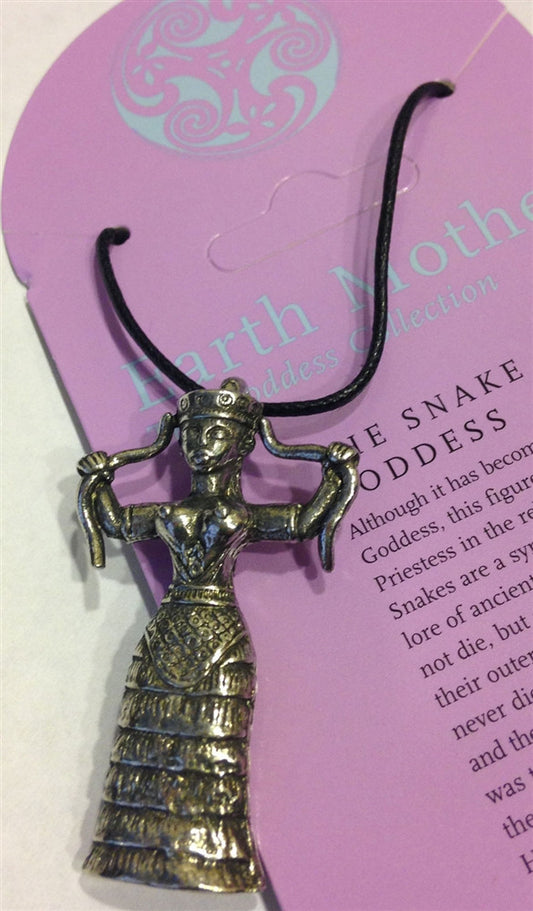
Minoan Snake Goddess Unisex Pendant Necklace
Regular price $12.95 USDRegular priceUnit price / perSale price $12.95 USD -
Cycladic Early Greek Female Idol Standing, Small 5H
Regular price $24.00 USDRegular priceUnit price / perSale price $24.00 USD -
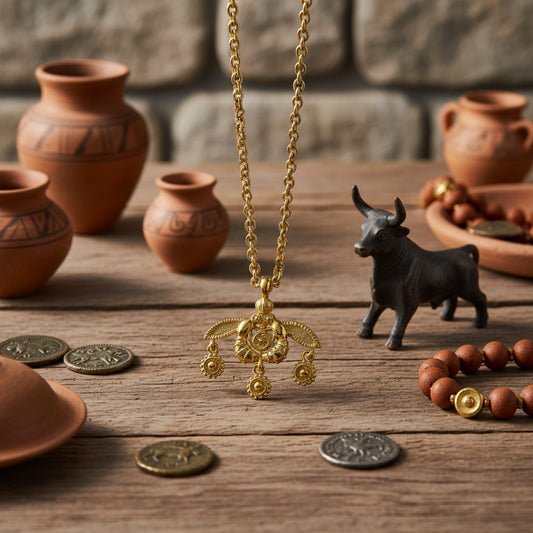
Greek Minoan Bees Necklace from Crete with Chain Necklace Gold Plate
Regular price $54.25 USDRegular priceUnit price / perSale price $54.25 USD -
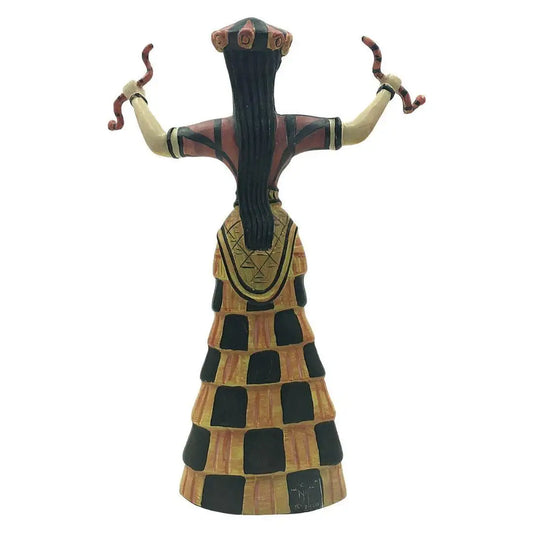
Minoan Greek Snake Goddess from Crete Statue Replica 10.75H
Regular price $40.00 USDRegular priceUnit price / perSale price $40.00 USD -
Kimberly Carpenter, Ancient Artifacts | Recycled Tote Bag
Regular price $20.00 USDRegular priceUnit price / perSale price $20.00 USD -
Greek Minoan Bees from Crete Wire Pierced Dangle Earrings 1.25L
Regular price $59.00 USDRegular priceUnit price / perSale price $59.00 USD
Early Greek Art and the Bronze Age World
Early Greek art developed between 3000 and 1200 BCE during the Greek Bronze Age. Three major cultures define this period: Cycladic, Minoan, and Mycenaean. Each contributed to the foundations of later Greek civilization.
The ancient Greek islands formed a network of trade and communication. These sea-faring societies exchanged goods, ideas, and artistic styles across the Mediterranean. Their proximity encouraged both cooperation and conflict.
Minoan Civilization and the World of Crete
The Minoan civilization, centered on Crete and nearby islands such as Thera, became one of the most advanced cultures of its time. Minoan society thrived through trade with Egypt and other Mediterranean regions.
Minoan art is known for its colorful frescoes, fluid movement, and natural forms. Ritual objects such as the Minoan Snake Goddess statue reflect religious symbolism tied to fertility and protection. The sudden destruction of Thera reshaped this world, leaving behind fragments of a once thriving civilization.
Cycladic Art and Marble Sculpture
Cycladic art developed in the Cyclades between 3200 and 2000 BCE. These islands were rich in marble, which became the primary material for artistic production. The most recognizable works are Cycladic figurines.
These sculptures often depict female forms with folded arms and simplified features. The Cycladic female idol is a classic example of this style. Their clean lines and balanced proportions feel strikingly modern, and they may relate to fertility or a mother goddess tradition.
Shared Culture Across the Ancient Greek Islands
Across the ancient Greek islands, cultures were unified by the sea. Trade routes allowed ideas and artistic techniques to spread quickly. Palaces and settlements grew as centers of power, filled with objects that reflected wealth and belief.
These early societies predate mythology, philosophy, and democracy. Yet they laid the groundwork for later traditions found in Greek and Roman art . Their art reveals a world already rich in symbolism and cultural identity.
Collecting Early Greek Art Today
Today, early Greek art offers a connection to the origins of Western civilization. From Cycladic art to the influence of the Minoan civilization, these works bring clarity and structure into modern interiors.
Collectors value these pieces for their balance of abstraction and history. Their forms feel timeless, making them suitable for both contemporary and classical spaces.
For More Reading
Mycenaean Culture and Early Greek Power
The Mycenaeans emerged later in the Greek Bronze Age, around 1600–1100 BCE, on mainland Greece. Unlike the island-focused Minoan civilization and Cycladic art, Mycenaean society centered on fortified palaces and military strength.
Mycenaean art reflects power and hierarchy. Gold masks, weapons, and ceremonial objects reveal a culture focused on authority and prestige. These works connect early Greek art to later mythological traditions, including stories that would shape classical Greek identity.
FAQs
Got a question? We are here to answer