Collection: Canova Houdon Thorvaldsen | Neoclassical
Explore Neoclassical sculpture through the refined works of Antonio Canova, Jean-Antoine Houdon, and Bertel Thorvaldsen. These artists led a return to classical ideals, drawing inspiration from ancient Greece and Rome while shaping a distinctly modern artistic language.
Emerging in the late 18th century, Neoclassical sculpture emphasized clarity, balance, and ideal form. Whether through the graceful figures of Antonio Canova sculpture or the lifelike realism of Jean-Antoine Houdon busts, this movement reflects a renewed interest in reason, proportion, and human dignity.
-
Wall Plaques - Rue de France Shell Organic Vintage Narrow Wall Decor Ornament 6H x 24.2W
Regular price $89.00 USDRegular priceUnit price / perSale price $89.00 USD -
Garden Finial - French Obelisk Statue Cement Lawn Ornament 26H x 10.5W
Regular price $275.00 USDRegular priceUnit price / perSale price $275.00 USD -
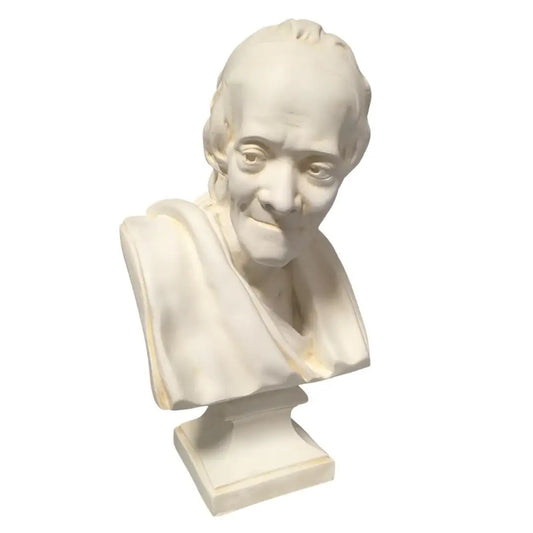
Voltaire French Philosopher Portrait Bust Statue Lifesize by Houdon 22H
Regular price $335.00 USDRegular priceUnit price / perSale price $335.00 USD -
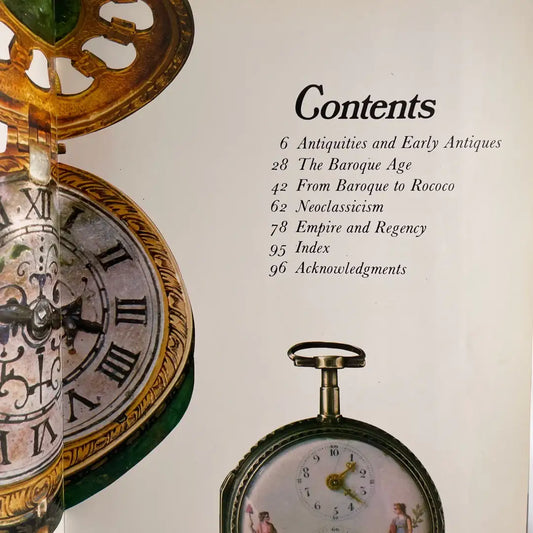
Book - Pleasure of Antiques from Baroque to Empire ATTIC no returns
Regular price $5.00 USDRegular priceUnit price / perSale price $5.00 USD -
Anatomical Study of Flayed Male Man Anatomy L'ecorche Statue by Houdon 10H
Regular price $72.50 USDRegular priceUnit price / perSale price $72.50 USD -
Wall Plaques - Medallion Vintage High Style Flowers with Basket Weave 21H x 25.5W
Regular price $249.00 USDRegular priceUnit price / perSale price $249.00 USD -
Classic Fluted Column Console Base 31H Home Decor
Regular price $387.50 USDRegular priceUnit price / perSale price $387.50 USD -
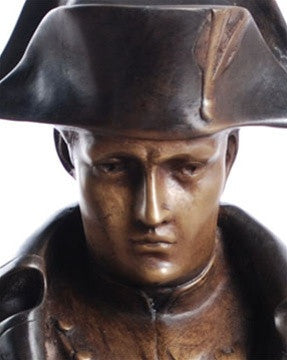
Napoleon in Uniform with Emperor Eagle Bust Statue Lost Wax Bronze Metal 14H
Regular price $416.00 USDRegular priceUnit price / perSale price $416.00 USD -
Hebe the Cupbearer Garden Statue – Greek Goddess of Youth 40H
Regular price $445.00 USDRegular priceUnit price / perSale price $445.00 USD -
Napoleon Consul Sculpted Bust 10.8H
Regular price $49.00 USDRegular priceUnit price / perSale price $49.00 USD -
Wall Plaques - Flowers In Vase Wall Decor Ornament Sculpture 12.5H x 26.2W
Regular price $229.00 USDRegular priceUnit price / perSale price $229.00 USD -
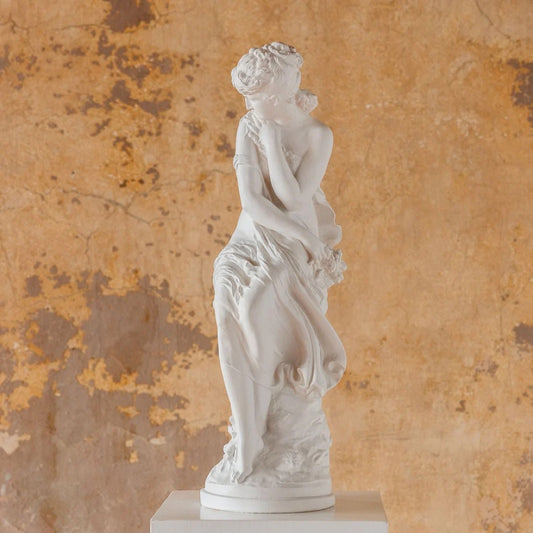
Lady with Flowers Victorian Dainty Graceful Statue by Moreau 25.5H
Regular price $155.00 USDRegular priceUnit price / perSale price $155.00 USD -
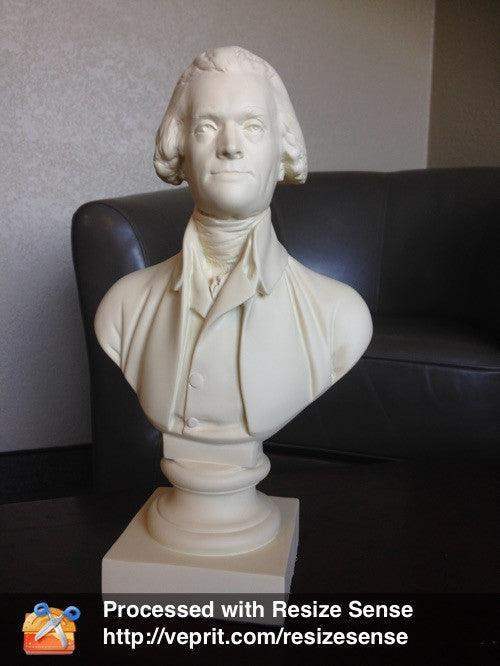
Thomas Jefferson American President Bust by Houdon White, Assorted Sizes
Regular price From $169.00 USDRegular priceUnit price / perSale price From $169.00 USD -
Garden Finial - French Obelisk Statue Cement Lawn Ornament 33H x 11W
Regular price $319.00 USDRegular priceUnit price / perSale price $319.00 USD -
Neoclassic Ionic Display Pedestal Column Display Base 41.5H
Regular price $595.00 USDRegular priceUnit price / perSale price $595.00 USD -
Wall Plaques - Flower Relief Wide Narrow Classical Wall Sculpture 13H x 42W
Regular price $229.00 USDRegular priceUnit price / perSale price $229.00 USD
Neoclassical Sculpture and the Classical Revival
Neoclassical sculpture developed during the Enlightenment as artists turned to ancient Greece and Rome for inspiration. Archaeological discoveries and renewed interest in classical philosophy encouraged a style built on balance, restraint, and ideal form.
This classical revival art movement moved away from the drama and ornament of the Baroque and Rococo periods. In its place, artists pursued clarity, order, and moral seriousness. Sculpture became one of the clearest ways to express those ideals.
Antonio Canova and Ideal Beauty
Antonio Canova sculpture defines the graceful side of Neoclassicism. His figures are smooth, poised, and carefully balanced. Canova returned to mythological subjects and gave them a new refinement that appealed to collectors across Europe.
His sculptures combine natural anatomy with ideal beauty. Drapery falls with elegance, gestures remain controlled, and surfaces feel almost weightless. Canova helped shape the visual language of Neoclassicism for an international audience.
Jean-Antoine Houdon and Lifelike Portrait Busts
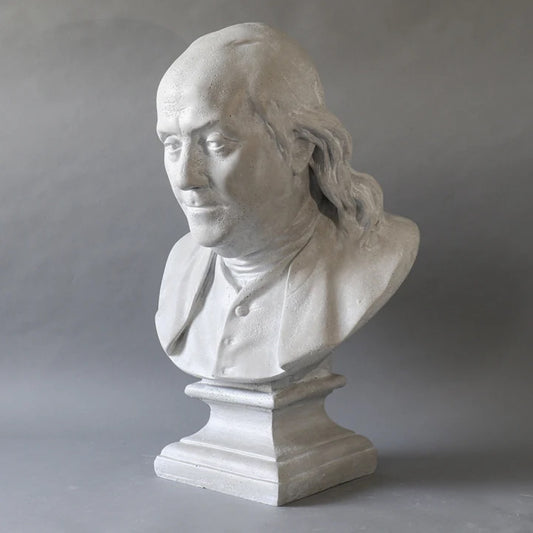
Jean-Antoine Houdon busts brought another strength to Neoclassical sculpture. Houdon focused on portraiture, capturing writers, scientists, philosophers, and statesmen with remarkable realism. His work reflects Enlightenment interest in intellect, character, and individual identity.
Unlike more idealized sculptors, Houdon preserved the features that made each sitter distinct. His portraits feel alive, thoughtful, and immediate. They show that Neoclassical art could be both disciplined and deeply human.
Bertel Thorvaldsen and Classical Discipline
Bertel Thorvaldsen sculpture reflects a more restrained and austere version of the classical revival. Working in Rome, Thorvaldsen studied ancient models closely and favored calm, structural compositions. His figures often feel quieter and firmer than those of Canova.
That discipline gives Thorvaldsen’s work a timeless quality. His sculptures are less sensuous and more measured, emphasizing clarity over softness. Together, Canova and Thorvaldsen show two different paths within the same movement.
A Shared Language of Form and Meaning
Canova, Houdon, and Thorvaldsen each shaped Neoclassical sculpture in distinct ways. Canova emphasized grace, Houdon emphasized likeness, and Thorvaldsen emphasized structure. Their combined work helped define the visual ideals of the late 18th and early 19th centuries.
Today, these artists still speak to collectors who value classical form, thoughtful craftsmanship, and historical depth. Their works bring order and calm into modern interiors while keeping a strong connection to the ancient world.
Collecting Neoclassical Sculpture Today
Modern collectors are drawn to Neoclassical sculpture for its balance and dignity. Portrait busts, mythological figures, and allegorical subjects all work well in homes, offices, libraries, and formal spaces. These pieces feel historical without feeling heavy.
Whether you are drawn to Antonio Canova sculpture, Jean-Antoine Houdon busts, or Bertel Thorvaldsen sculpture, this collection offers a direct link to the ideals of the classical revival. It is art shaped by reason, beauty, and the long memory of antiquity.
For More Reading
FAQs
Got a question? We are here to answer