Collection: Etruscan Art | Early Roman
Explore Etruscan art from the ancient Etruscan civilization, which thrived in pre-Roman Italy. Long before Rome rose to power, Etruscan artists created expressive works that reflected daily life, ritual, and belief in the afterlife.
Known for its warmth and personality, Etruscan sculpture often shows figures in motion or in conversation. These works feel human and immediate. Alongside sculpture, a wide range of Etruscan artifacts reveal skilled craftsmanship in bronze, terracotta, and gold.
-
Etruscan Boy Thin Statue – Ancient Etruscan Art Figure 13H
Regular price $59.00 USDRegular priceUnit price / perSale price $59.00 USD -
Etruscan Janus Good Events Double Headed Earrings, Assorted Colors
Regular price $62.00 USDRegular priceUnit price / perSale price $62.00 USDSold out -
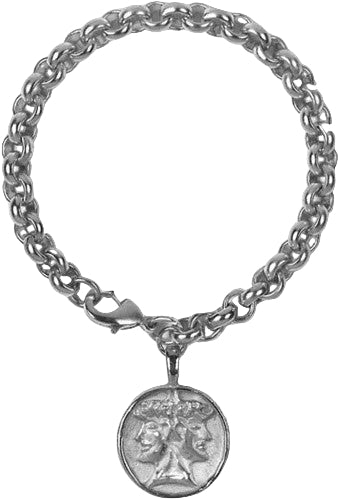
Etruscan Janus Double-Headed Unisex Bracelet Gold or Silver Plate
Regular price $52.00 USDRegular priceUnit price / perSale price $52.00 USDSold out -
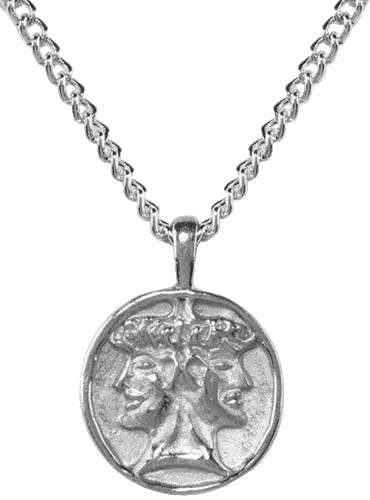
Etruscan Janus Double Headed Roman Pendant Necklace, Gold or Silver Plate
Regular price $37.00 USDRegular priceUnit price / perSale price $37.00 USDSold out -
Kimberly Carpenter, Ancient Artifacts | Recycled Tote Bag
Regular price $20.00 USDRegular priceUnit price / perSale price $20.00 USD -
Etruscan Horse Head and Palm Tree after Tetradrachm Coin Cufflinks
Regular price $49.00 USDRegular priceUnit price / perSale price $49.00 USD -
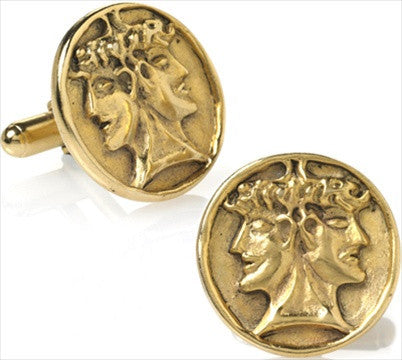
Janus Double Head Roman God of Beginnings Cufflinks, Assorted Colors
Regular price $49.50 USDRegular priceUnit price / perSale price $49.50 USDSold out -
Etruscan Man with Hat Thin Statue, Etruscan Art Collection 13.5H
Regular price $61.00 USDRegular priceUnit price / perSale price $61.00 USD
Etruscan Art and the Ancient Etruscan Civilization
The ancient Etruscan civilization flourished between the 8th and 3rd centuries BCE. It developed in central Italy, especially in regions now known as Tuscany and Lazio. Much of what survives today comes from tombs, where art was created to guide and accompany the dead.
This focus on the afterlife shaped much of Etruscan art. Tomb paintings, carved sarcophagi, and ceremonial objects reflect a belief in continuity beyond death. These works show scenes of feasting, music, and companionship rather than mourning alone.
Materials and Style in Etruscan Sculpture
Etruscan sculpture stands apart from later Roman traditions. Figures are lively and expressive, with gestures that suggest movement and emotion. Artists often favored realism over ideal perfection, giving their work a direct and personal quality.
Materials played an important role. Bronze casting reached a high level of refinement, while terracotta allowed for large-scale figures and architectural decoration. Many surviving Etruscan artifacts show detailed surface work and careful design.
Life in Pre-Roman Italy
In pre-Roman Italy, the Etruscans built thriving cities and complex societies. Their art reflects both local traditions and influences from Greek trade. This exchange created a unique visual language that blends structure with expression.
The Etruscans also influenced early Roman culture. Elements of religion, public ceremony, and architecture passed into Roman life. Studying Etruscan art helps explain the roots of later classical traditions.
Collecting Etruscan Art Today
Today, Etruscan art offers collectors a connection to one of the earliest cultures of Italy. Whether through Etruscan sculpture or smaller Etruscan artifacts, these pieces bring history into everyday spaces.
Their natural materials and expressive forms fit well in modern interiors. A single object can anchor a room, while a group creates a quiet historical narrative. These works appeal to those interested in archaeology, early civilizations, and the origins of Western art.
FAQs
Got a question? We are here to answer