Collection: Museum Jewelry
 We hope you enjoy our assortment of museum jewelry replicas...some are exact replicas of historical originals, and others adapt motifs and designs from museum collections. The history of jewelry making dates back thousands of years. Through the craftsmanship of earlier artisans preserved in museums, we have remnants of things they considered valuable and beautiful from earlier cultures. Whether ancient Egyptian earrings, Greek bracelets, or Ancient Goddess necklaces, these are all examples of what humankind is capable of creating and what we will always consider a gesture of love and goodwill.

-
Royal Lion Head Cufflinks
Regular price $59.00 USDRegular priceUnit price per -
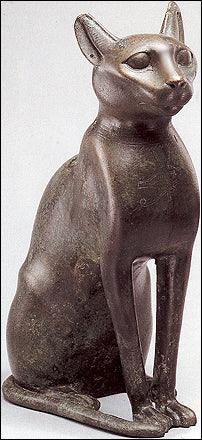
Egyptian Bastet Cat Charm Bracelet with Linked Chain 7.25L
Regular price $57.00 USDRegular priceUnit price per -
Egyptian Cat Bastet Pierced Drop Earrings Museum Jewelry
Regular price $47.00 USDRegular priceUnit price per -
Ladybug Red Black Enamel over Pewter Solid Fancy Tie Tack Pin 5/8L
Regular price $32.00 USDRegular priceUnit price per -
Owl Athena Minerva Roman Costume Drop Dangle Earrings Gold Finish .5L
Regular price $13.50 USDRegular priceUnit price per -
Ladybug Solid Red Black Gold Faberge Fancy Pendant on 16 inch Necklace Chain
Regular price $45.00 USDRegular priceUnit price per -
Wildlife Animals Africa Safari Elephant Bear Monkey Tiger Fox Charm Bracelet
Regular price $105.00 USDRegular priceUnit price per -
Etruscan Horse Head and Palm Tree after Tetradrachm Coin Cufflinks
Regular price $49.00 USDRegular priceUnit price per -
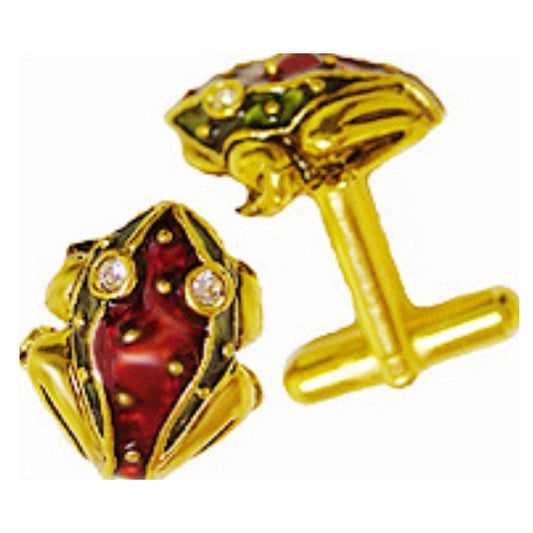
Frog Cufflinks Enameled with Rhinestones, Assorted Colors
Regular price $59.00 USDRegular priceUnit price per -
Ladybug Solid Red Black Gold Fancy Pierced Post Earrings
Regular price $54.00 USDRegular priceUnit price per