


Dunkleosteus Skull Fossil Fragment - Authentic Famennian Formation Specimen
Dunkleosteus Skull Fossil Fragment - Authentic Famennian Formation Specimen
SKU:80-112-0454-201-40
In stock
Couldn't load pickup availability
A Dunkleosteus Skull Fossil From the Late Devonian
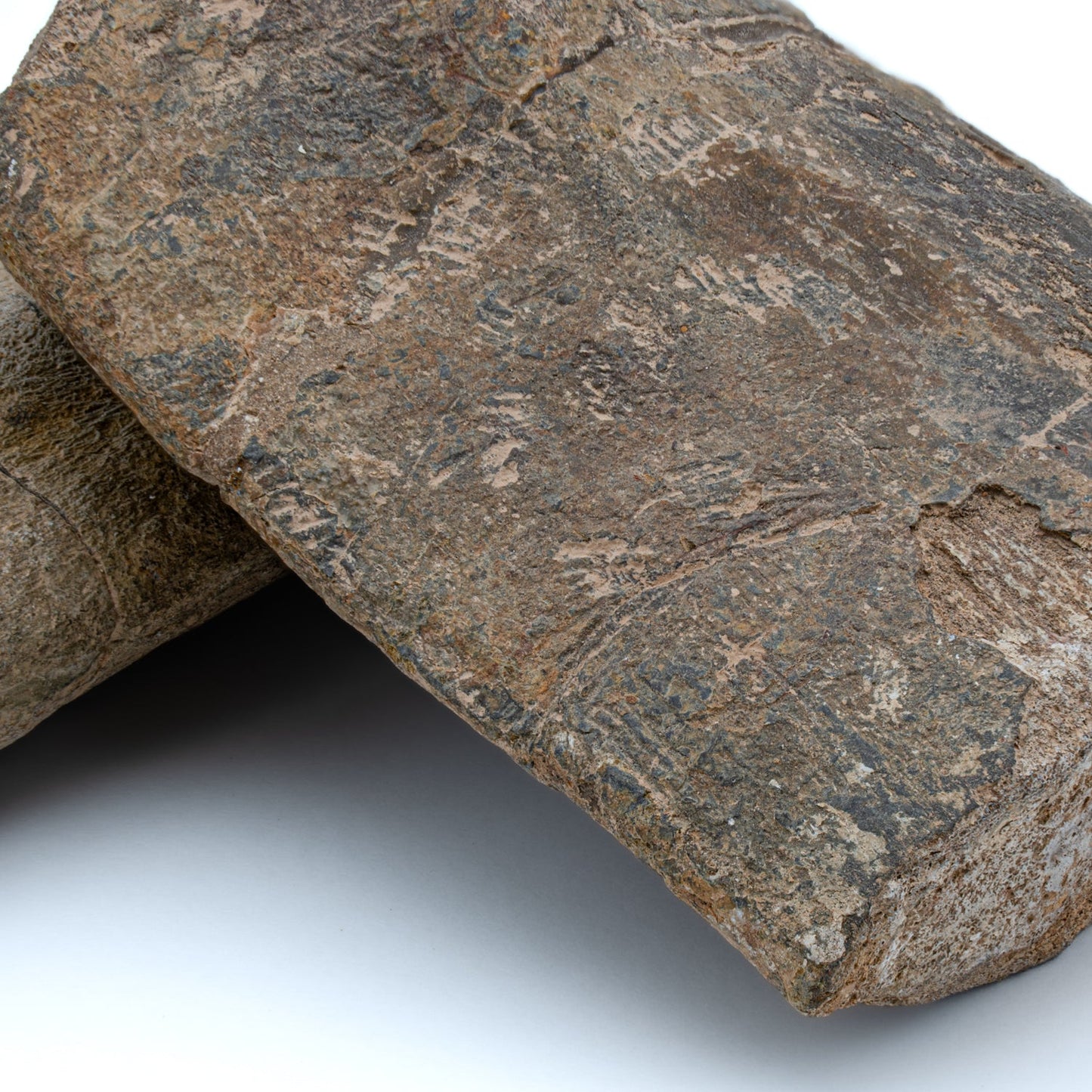
This Dunkleosteus skull fossil is a real fragment of an armored fish that ruled Devonian seas. It comes from Famennian strata in Morocco and is about 358 million years old. An acrylic jar holds it.
Product Details
- Specimen: Placoderm fossil, a skull fragment of Dunkleosteus prepared for display
- Origin: Famennian strata, Morocco
- Age: About 358 million years old, Late Devonian
- Display: Acrylic jar with removable top in glass-topped riker case, 4 in x 3 in x 1 in
- Includes: Informational card that serves as the statement of authenticity
An Armored Predator
Dunkleosteus was a placoderm, a fish with bony plates over its head and trunk. Britannica calls it one of the dominant predators of Devonian seas.
Its jaws carried sharp bony blades, not true teeth. The blades were extensions of the skeleton. The fish could open its jaws in about 20 milliseconds and pull prey inward.
Famennian Seas of Morocco
The Famennian is the last stage of the Devonian. The species was first found in the Cleveland Shale of Ohio. This Famennian fossil comes from Morocco instead.
Some skulls show bite marks from other Dunkleosteus, perhaps from contests or cannibalism. Cartilage rarely fossilizes, so body size estimates vary. Only the skull and front body are known. See more in our Authentic Fossil Specimens and our Natural History Collection.
Display and Care
Open the jar top gently over a soft surface when you handle this placoderm fossil. Keep the case away from direct sun and damp, as with any Famennian fossil.
About Placoderms
Placoderms were Devonian armored fish with plates of bone over the head and trunk. They lived about 416 to 359 million years ago. Most were small or medium-sized. They were among the earliest vertebrates with hinged jaws. Your Dunkleosteus skull fossil comes from the largest of them.
For More Reading from the Web
- Read about the Devonian armored fish in Britannica. Placoderm - Britannica


FAQs
Got a question? We are here to answer