


Death of the Dinosaurs - K-Pg Boundary and Deccan Traps
Death of the Dinosaurs - K-Pg Boundary and Deccan Traps
SKU:80-112-0197-201-40
In stock
Couldn't load pickup availability
A K-Pg Boundary Specimen and the Death of the Dinosaurs
This K-Pg boundary specimen holds evidence for the two leading theories of how the dinosaurs died out. One is an asteroid impact. The other is volcanic eruption.
Product Details
- Name: Death of the Dinosaurs specimen
- Contents: K-Pg boundary layer material and Deccan Traps basalt
- Size: About 2 cm wide by 1 cm tall
- Display: Acrylic jar in glass-topped riker box, 4.5 in x 3.5 in
- Includes: Information card that serves as the certificate of authenticity
- Note: The material mix in each specimen is unique.
The Deccan Traps
The Deccan Traps are flood basalts across India, more than 1.2 miles deep. They erupted in fast pulses just before the Cretaceous ended. They may have cooled the planet by up to 2 degrees C.
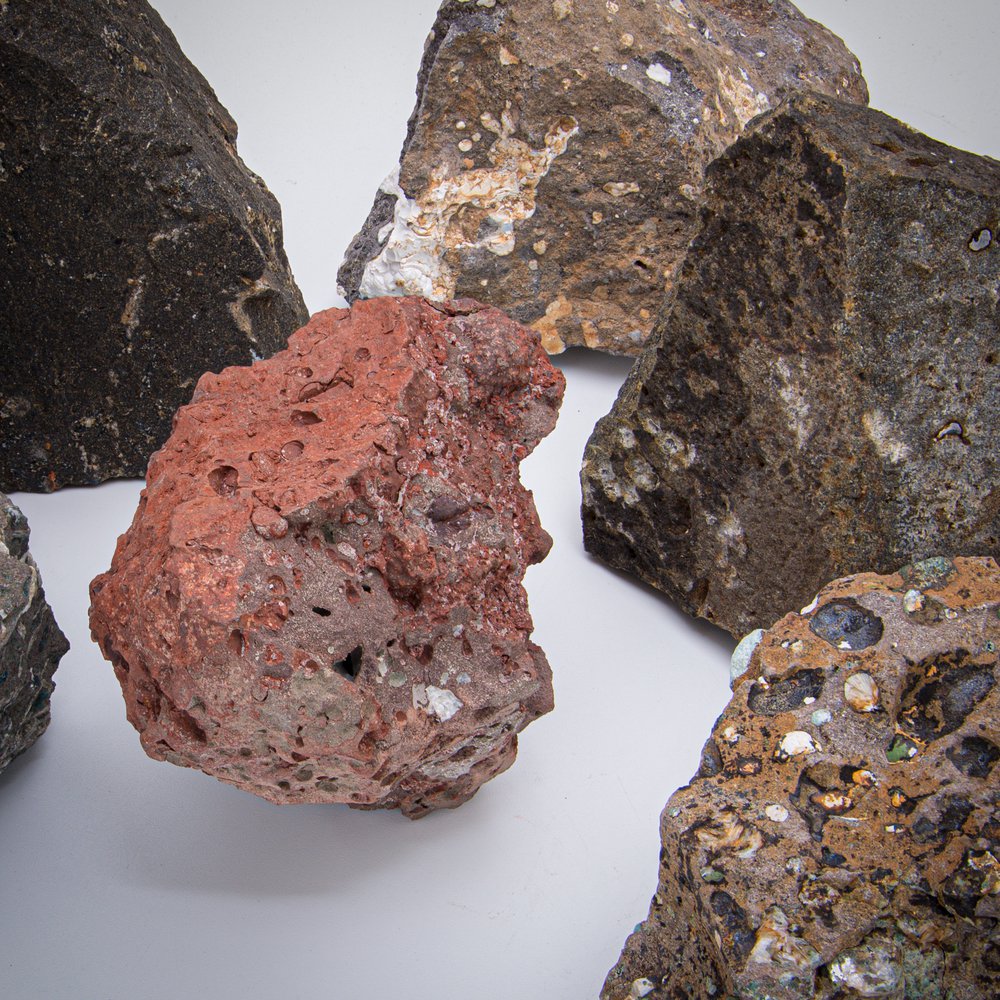
The Deccan Traps basalt in this specimen was donated by Professor Gerta Keller of Princeton University. It mixes three phases of the main eruption.
The Chicxulub Impact
The Chicxulub impactor struck about 66 million years ago and was at least 6 miles wide. It left a crater under Mexico's Yucatan Peninsula.
The boundary layer is rich in iridium. Luis and Walter Alvarez linked it to an impact in 1980. This K-Pg boundary layer sample comes from North America and Europe. See more in our Natural History Collection.
Display and Care
Keep the jar closed. This K-Pg boundary dinosaur specimen is small, so a magnifier shows its layers best.
About the Extinction
About three-quarters of species perished, including every non-avian dinosaur. The cause is still debated. This Death of the Dinosaurs specimen lets you hold both sides of the argument.
For More Reading from the Web
- Read about the K-Pg boundary, its iridium layer and the competing causes. Cretaceous-Paleogene Boundary - Wikipedia
- Read the supplier's page on this specimen. Death of the Dinosaurs - Mini Museum


FAQs
Got a question? We are here to answer