


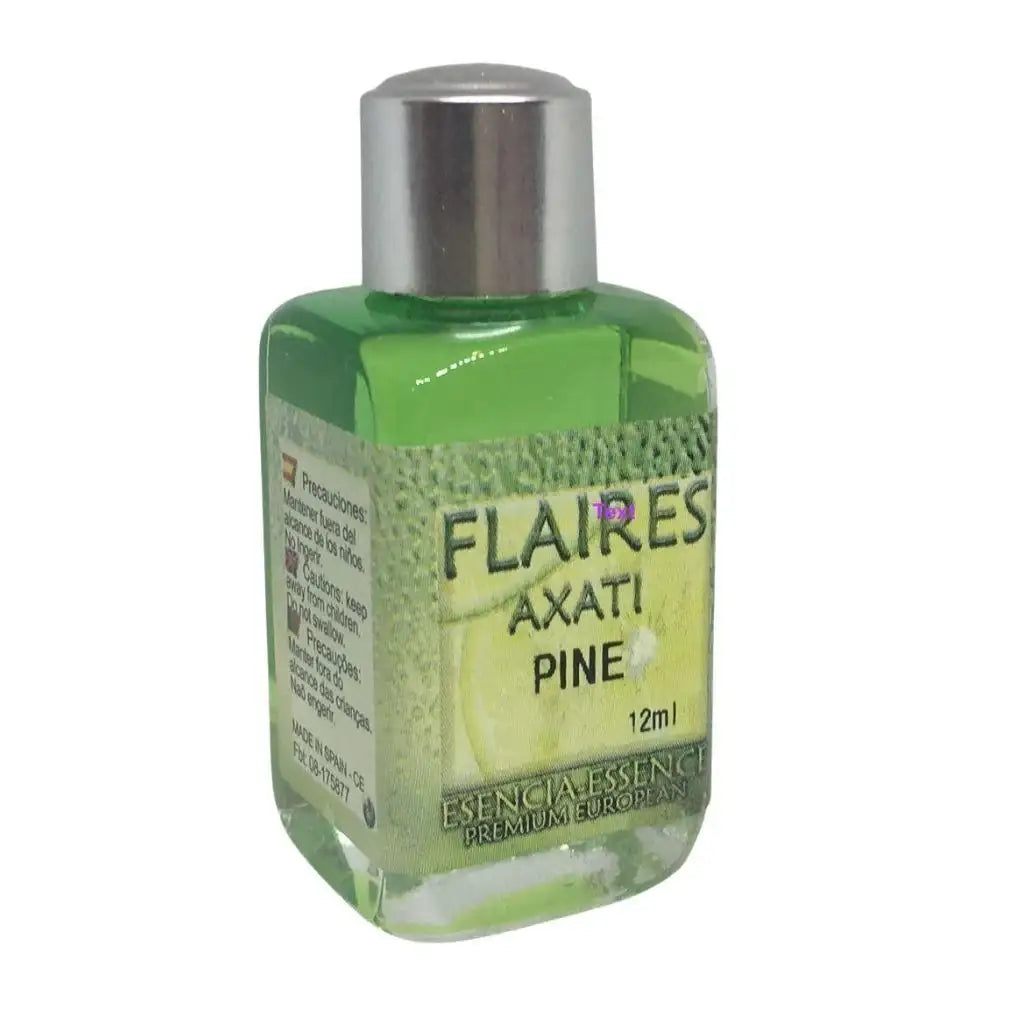
Pine Fragrance Oil by Flaires of Spain 12ml for Soaps Creams and Oils
Pine Fragrance Oil by Flaires of Spain 12ml for Soaps Creams and Oils
SKU:L-038
In stock
Couldn't load pickup availability
A Light Pine Fragrance Oil with Balsam Notes
This pine fragrance oil by Flaires of Spain comes in a 12 ml glass bottle. It has notes of balsam sap and woody trunk. The pine tree scent is light, sweet and pleasing, never overpowering. It makes a good background for nature blends. Brighten it with a flower or fruit, or deepen it with bergamot or amber.
Product Details
- Type: Pine fragrance oil
- Material: Fragrance oil blend in a glass bottle
- Size: 12 ml (0.4 oz)
- Olfactory family: Woody
- Main notes: Pine
- Made in: Spain by Flaires
- Includes: One bottle
- Use: Mix with creams, soaps or oils
- Display: Store upright with the cap closed
- Product number: L-038
The Pine Cone Staff
The thyrsus was a wand of giant fennel wrapped in ivy. It was often topped with a pine cone. Greeks carried it at festivals and religious ceremonies.
Dionysus and His Followers
The thyrsus is mainly linked to Dionysus, called Bacchus in Rome. It symbolized prosperity, fertility and pleasure. A red-figure cup from about 480 BC shows a maenad using one against a satyr. A Roman relief from 120 to 140 AD shows another maenad holding one.
Using and Storing Your Oil
Add a few drops of this pine fragrance oil to your own base. A woody fragrance oil like this pairs well with citrus or amber. Try it as a balsam scent for soap. Browse more scents in the Fragrance Oils collection or the full Museumize fragrance collection. Keep the cap tight and store the bottle upright, away from heat and direct sun. A pine tree scent feels like a walk under evergreens. Many makers value a woody fragrance oil as a quiet base. A balsam scent for soap suits a cabin-style gift set.
Pine appears in Greek ritual and art through the pine cone of Dionysus. The tree remains a symbol of woodland and endurance.
For More Reading from the Web
- Ever wondered what a satyr's wand looked like? This reference page explains the pine cone staff of Dionysus and its place in Greek art. Thyrsus - Wikipedia

FAQs
Got a question? We are here to answer