


Pterosaur Tooth - Authentic Kem Kem Fossil Specimen - Large
Pterosaur Tooth - Authentic Kem Kem Fossil Specimen - Large
SKU:80-112-0016-201-36
In stock
Couldn't load pickup availability
A Pterosaur Tooth Fossil From the Moroccan Desert
This pterosaur tooth fossil is a real tooth from the Kem Kem beds of Morocco. It is a flying reptile tooth measuring 2.5 to 3.5 cm, narrow and slightly curved. It sits in a glass-topped riker case.
Product Details
- SKU: 80-112-0188-201-40
- Specimen: Pterosaur tooth fossil, a real tooth
- Size: Large, 2.5 cm to 3.5 cm
- Association: Coloborhynchus, an Early Cretaceous pterosaur with an estimated 5 m (15 ft) wingspan
- Formation: Kem Kem beds, home of this Moroccan pterosaur tooth
- Display: Glass-topped riker display case
- Includes: Certificate of authenticity
A Flying Reptile, Not a Dinosaur
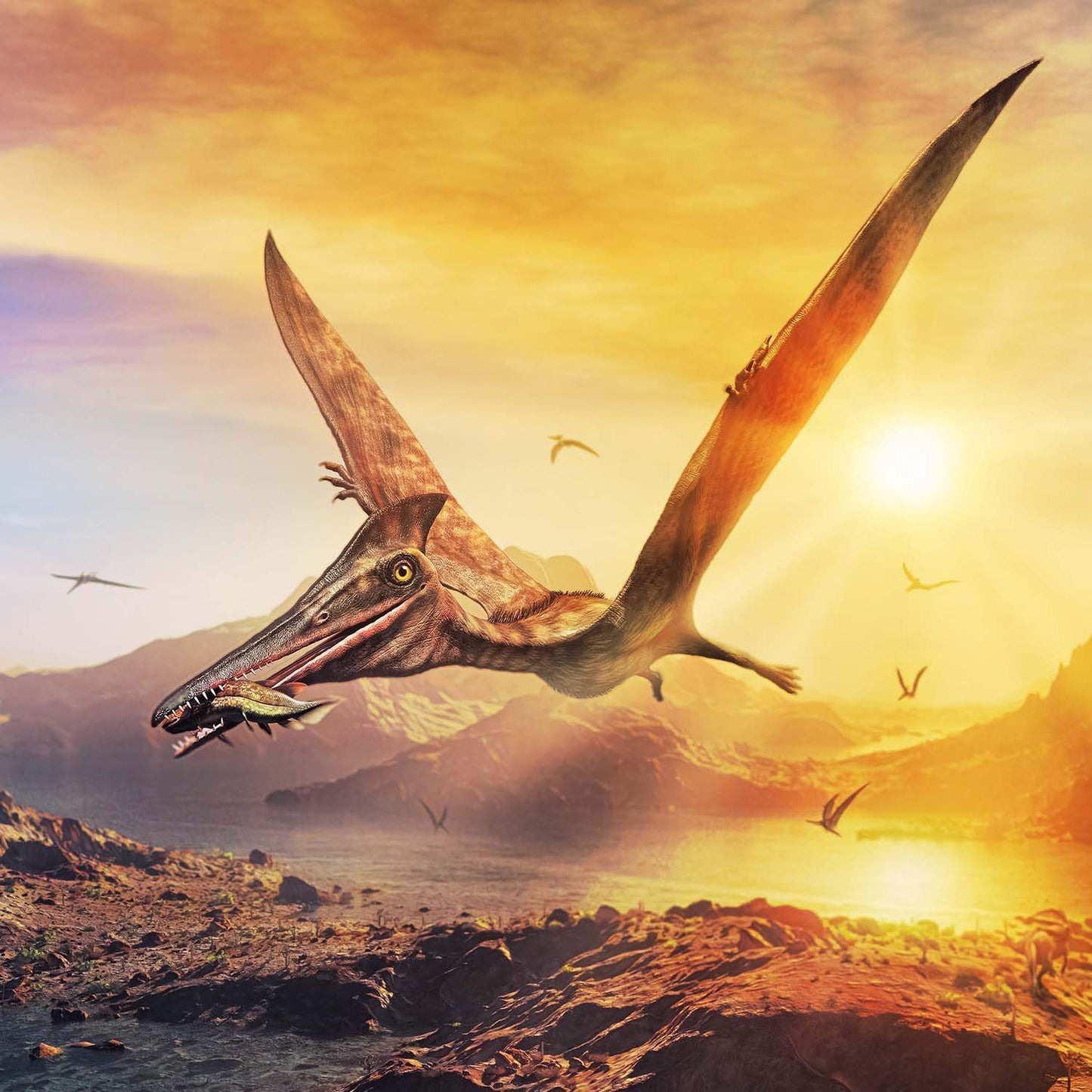
Pterosaurs were flying reptiles, not dinosaurs. They were the first vertebrates to achieve powered flight. A shortened upper arm and a hugely elongated fourth finger held up the wing membrane.
They lived from about 220 million years ago until 66 million years ago. They died out with the large dinosaurs. A Kem Kem fossil like this one is a rare record of that era.
The Kem Kem Fossil Beds
The Kem Kem beds of Morocco hold fossils from the Cretaceous, when this region was a river system. Teeth are among the most common finds. Each flying reptile tooth is narrow and slightly curved.
We associate this tooth with Coloborhynchus, a pterosaur with an estimated 5 m wingspan. Browse more fossils in our Prehistoric Collection and our Natural History Collection.
Display and Care
Keep the flying reptile tooth case on a shelf away from direct sun and damp air. The tooth is brittle, so leave it in its case. Tilt the case slowly to follow the curve from root to tip.
About Pterosaurs
Pterosaurs ranged from bat-sized juveniles to giants like Quetzalcoatlus. Some species may have had insulating bristle-like fibers, which hints at a warm-blooded way of life. A Moroccan pterosaur tooth keeps that diversity within hand's reach.
For More Reading from the Web
- Learn what a pterosaur was, how it flew, and how it relates to the dinosaurs. What Is a Pterosaur? - American Museum of Natural History


FAQs
Got a question? We are here to answer